Fara in Sabina

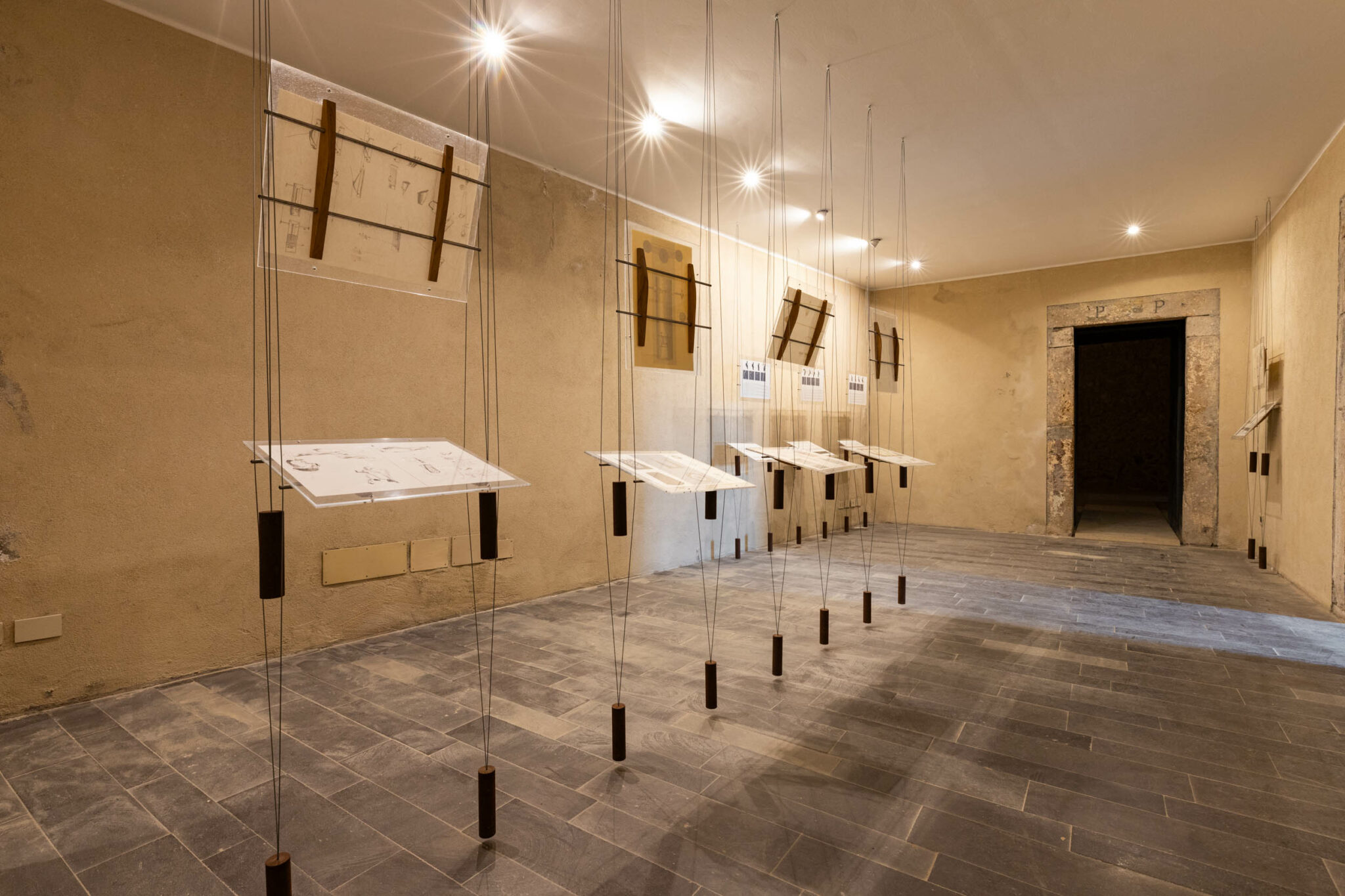
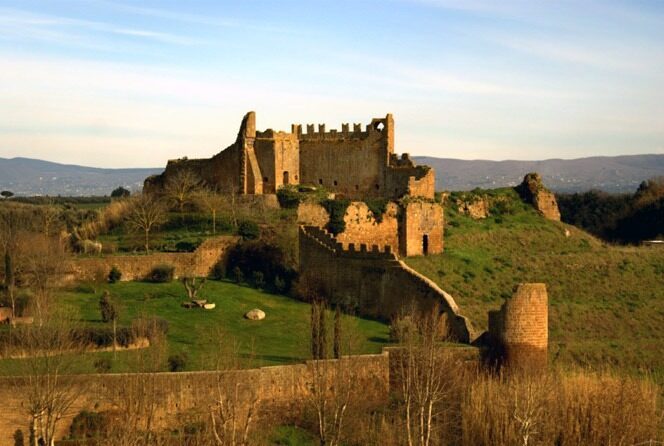
Fara in Sabina is an open-air museum: settlement dates to the Lombard period in the late 6th century. The castle is documented after the year 1000, then came under the powerful Abbey of Farfa. It later became a fief of great families who reshaped the village layout. Alleys, ancient churches and historic palaces offer visitors in unique settings. Highlights include the  Archaeological Civic Museum, with finds from Sabine settlements including the protohistoric villages of Cures Sabini, and orientalising grave goods from the Eretum necropolis. These places are marked by peace; the Museum of Silence offers an almost spiritual experiential visit, inherited from the Monastery of the Hermit Poor Clares.

Castelnuovo di Farfa

Castelnuovo di Farfa embodies the “City of Oil”, with its mills and extra virgin olive oil production, also shared through the Sabina Oil Museum. Its deepest cultural roots lie in the open countryside, centred on the protohistoric Grotta Scura and the San Donato site. In the 13th century, Castellum Novum was built overlooking the Farfa valleys; the village that grew around it still keeps its medieval layout — narrow streets, fine doorways, villas, old churches, a tower and a 17th-century fountain welcoming travellers.

Toffia

Toffia is a precious village in harmony with the nature around it; every view invites you to pause and take it in. Perched on a rocky height below Monte degli Elci, the village has well-preserved medieval houses, palaces and walls. Inhabited a thousand or two thousand years before Christ and later in Roman times, it was held by the Abbey of Farfa and then the Orsini family. In this enchanting setting, the Maria Petrucci Museum adds a contemporary note.

Mompeo

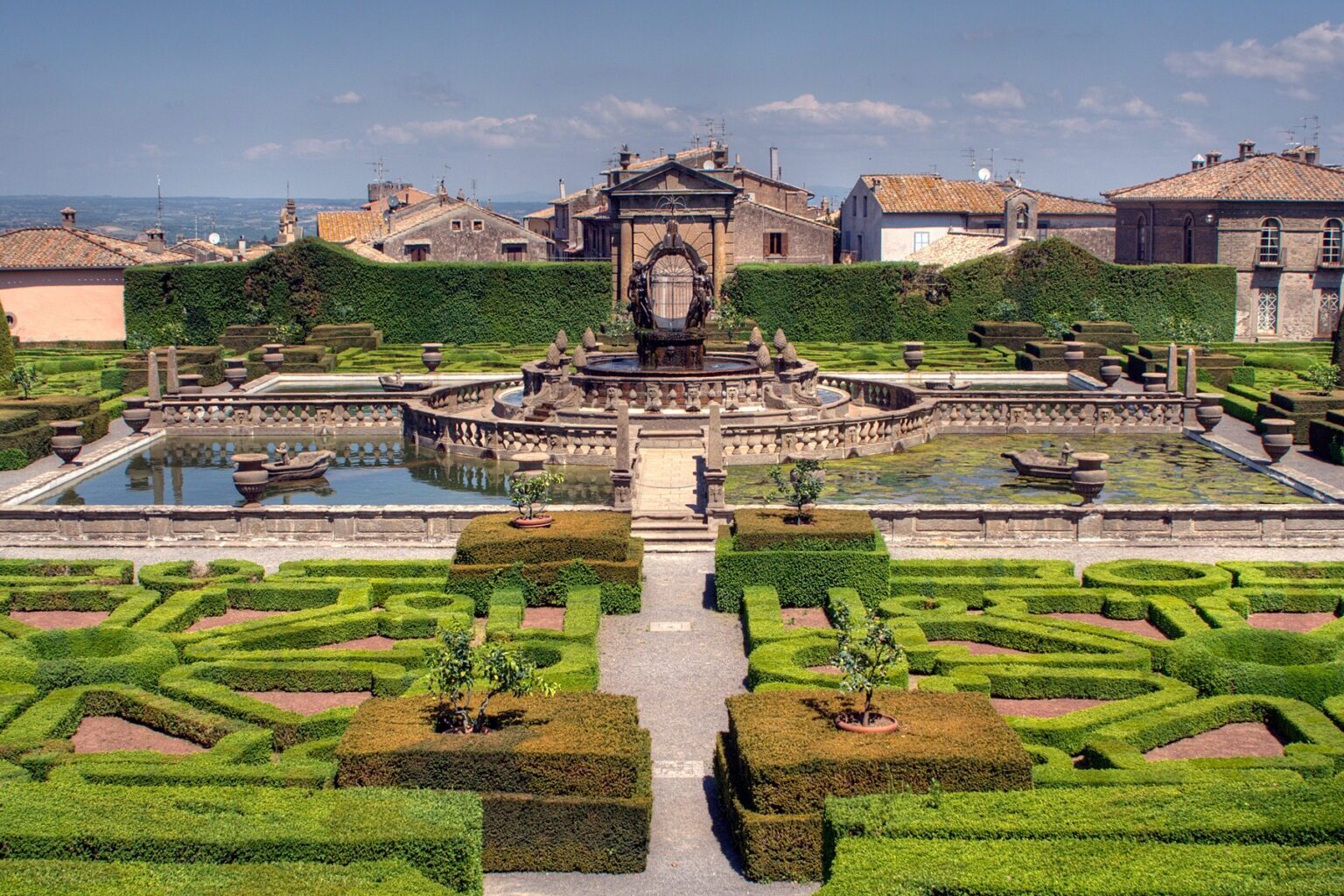
Mompeo is a singular village, peaceful and enchanting, amid woods, vineyards, olive groves and grain. On a hill overlooking the River Farfa and the Rasciano valley, its name may come from the Roman general Gnaeus Pompey. Archaeological sites, monuments, villa remains and the characteristic bridge over the Farfa bear witness to its past. In the Middle Ages it belonged to the Abbey of Farfa, the Orsini and the Naro, later Patrizi-Naro, families.

Poggio Nativo

Poggio Nativo lies amid olive groves, fruit trees, oak woods, deep valleys and small hamlets. Its medieval origins show in the fishbone street plan and winding lanes lined with noble buildings. Key sites include the castle from the year 1000, the Church of the Holy Annunciation on an ancient chapel to the Blessed Virgin (portal and baptismal font remain), and the 13th-century San Paolo monastic complex founded by the Abbey of Farfa — first Benedictine nuns, then Franciscans from the 15th century.