
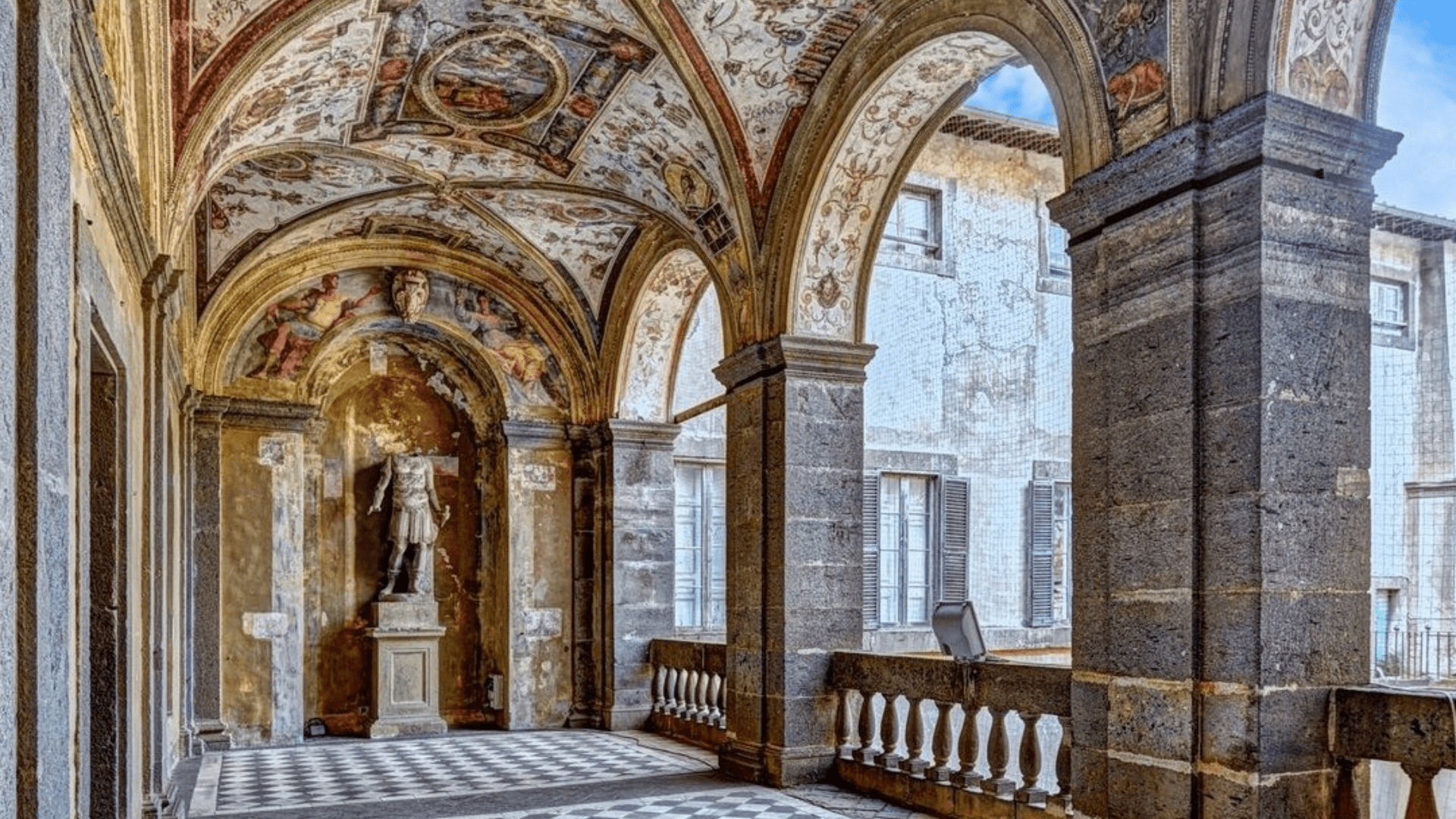
Sabato 27 settembre e domenica 28 settembre, PromoCulture vi porta ai Giardini dei Cimini per un week end che coniuga natura, storia e gusto. Villa Giustiniani a Bassano Romano e Palazzo Chigi di Soriano i protagonisti. Previste degustazioni di vini in abbinamento a formaggi nostrani.
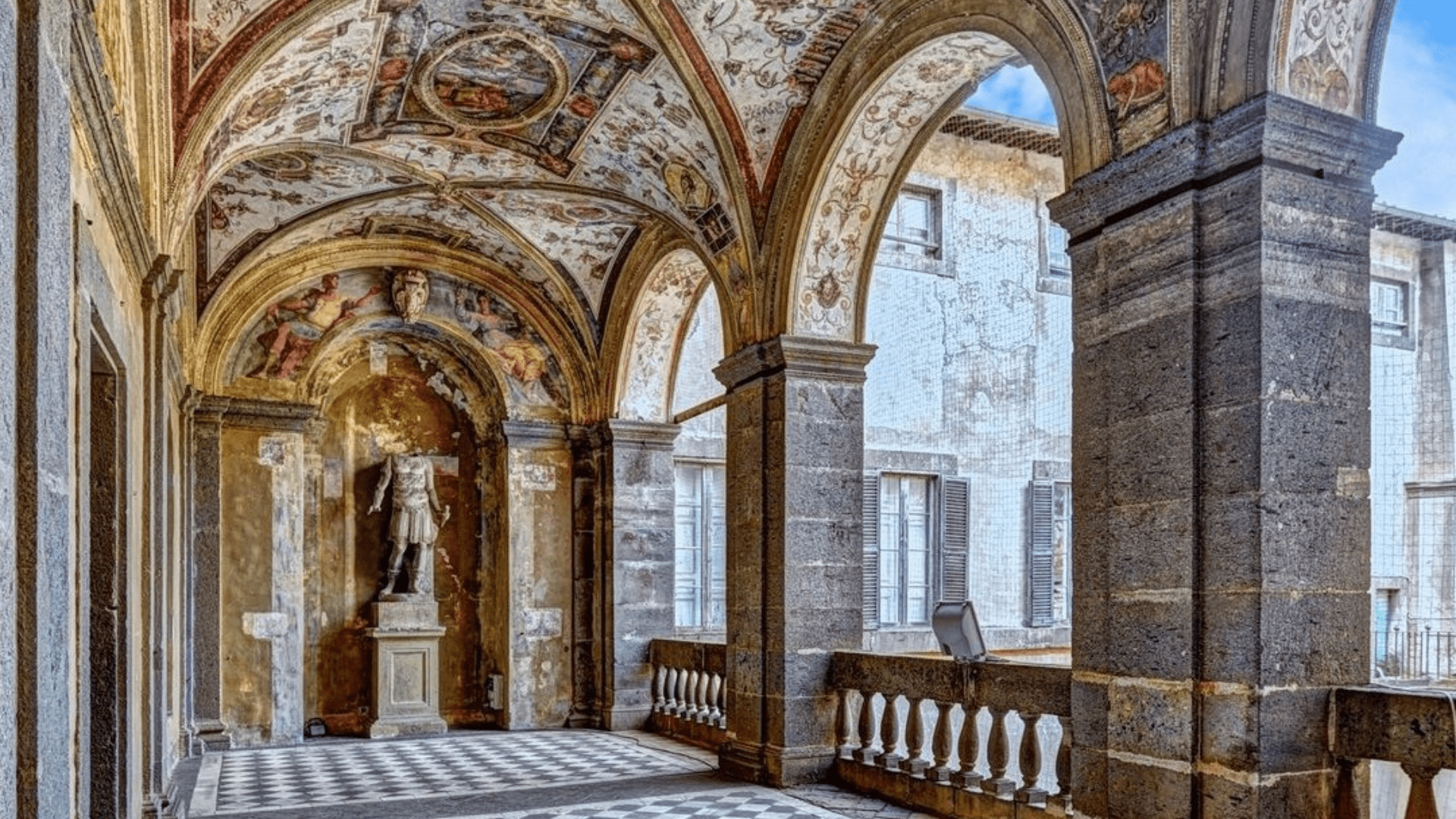
Villa Giustiniani – Bassano Romano
Costruita a partire dal XVII secolo su iniziativa della potente famiglia Giustiniani**, la villa è un raro esempio di residenza barocca immersa nella natura**, dove arte, architettura e paesaggio dialogano ancora oggi in perfetta armonia.
Fin dall’inizio la residenza venne pensata come centro culturale di enorme rilievo per nobili e altissima borghesia come testimoniano la presenza di stanze di epoca barocca, circondate da scene iconografiche di spessore (come ad esempio le quattro stagioni), ma anche alla presenza di un piccolo teatrino al piano terra, totalmente in legno settecentesco con platea e palchetti. Tutto a testimonianza di un certo grado sociale per l’epoca.
La bellezza e lo splendore della villa ha suggestionato anche molti produttori cinematografici e le opere girate lo dimostrano: La Dolce Vita di Fellini, il Gattopardo di Visconti e Blaise Pascal di Rossellini, senza dimenticare l’Avaro del maestro Alberto Sordi.
All’esterno, la villa è circondata da giardini all’italiana, viali alberati e scorci panoramici che si aprono sulla valle sottostante. Il tutto immerso in un’atmosfera di quiete assoluta, ideale per una passeggiata contemplativa o per scoprire i dettagli nascosti del paesaggio barocco.
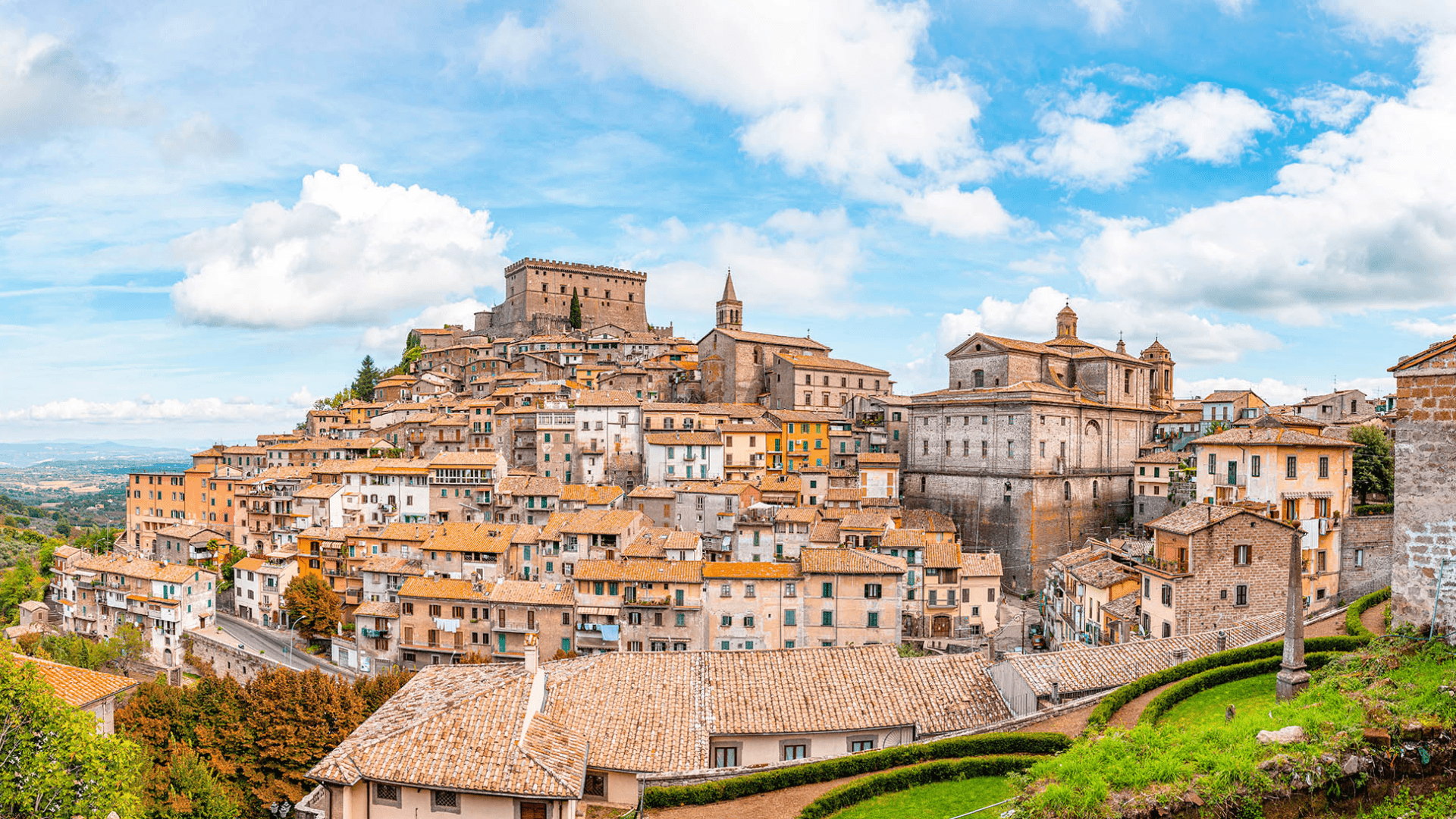
Palazzo Chigi – Soriano
L’ultima tappa di Giardini e Dintorni vi porta a Soriano, e più precisamente a Palazzo Chigi.
Sorto tra il XVI e il XVIII secolo, fu progettato da Ottaviano Schiratti su richiesta del cardinale Cristoforo Madruzzo, che volle una residenza extraurbana in grado di competere con le dimore dei Farnese di Caprarola o degli Orsini di Bomarzo.
Il Palazzo si sviluppa su un unico corpo principale, con due sale di rappresentanza per piano e un suggestivo terrazzo affacciato sulla valle. Dotato di scuderie di gran pregio, tornate visitabili dopo un periodo di chiusura, ospita anche un giardino di grande rilievo.
All’esterno infatti si trova l’esempio, forse più elegante nella Tuscia, di giardino monumentale. La sua caratteristica risiede nei più livelli terrazzati e nella naturale pendenza del colle. Questa particolarità consente un dialogo continuo tra architettura e paesaggio.
L’elemento di maggior spicco del giardino è la Fonte di Papacqua, una struttura scultorea unica scavata nella roccia viva. Un esempio stupendo di architettura idraulica.
Lascia un commento